Access insights from One Workplace on the connections between human behavior, the workplace, and how design can shape them both. Read. Listen. Research. It's time to join the conversation.
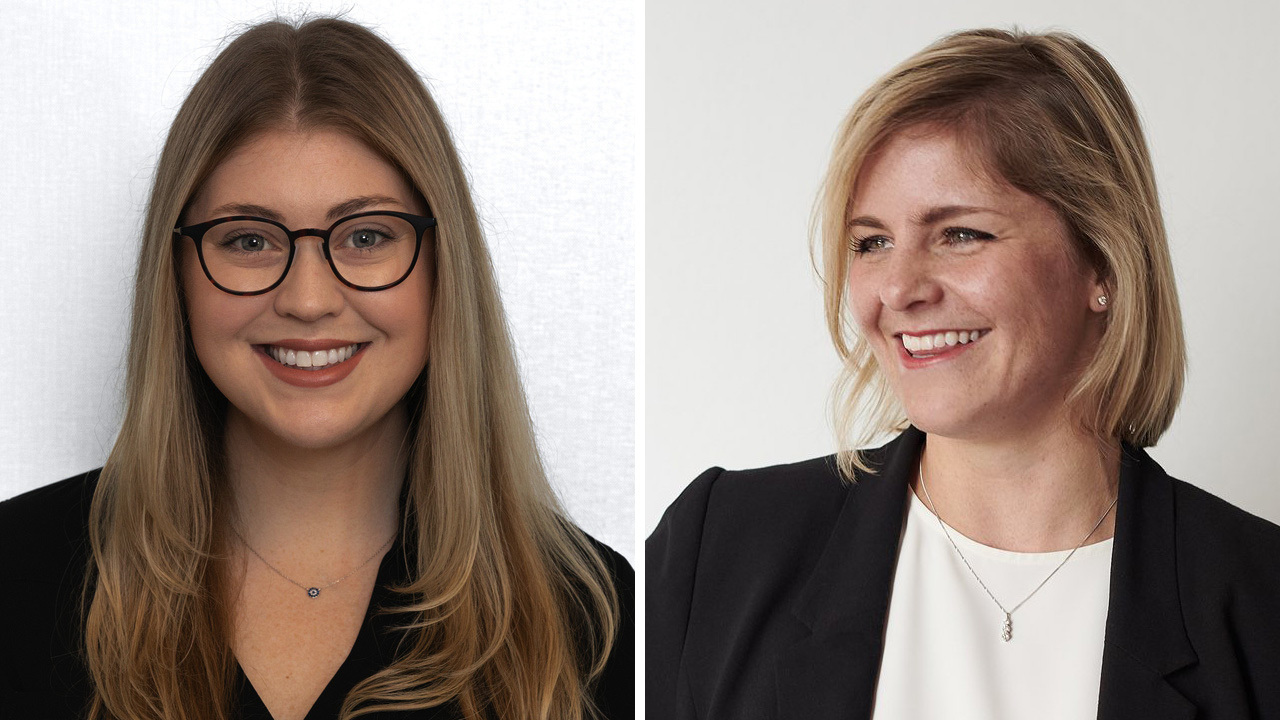
Listen in to this ONEder Podcast, where 2023 ONEder Grant winners from HOK, Katelyn Hoffman and Sarah Oppenhuizen, share insights from their research on "Sensory Processing in the Workplace: Designing for Neurodiversity." Learn more about the surprising similarities uncovered between the workspace needs of neurodiverse and neurotypical individuals, the impact of inclusive design strategies, and the future implications for designing workplaces where everyone can thrive.

Join us for an innovative journey through the process of home healthcare delivery. Elliot Wortham and Aaron Mackenzie, strategists at Taylor Design a 2023 ONEder Grant recipient, explore their research and concepts for elevating the well-being of patients and providers in the delivery of healthcare at home. Be inspired by potential solutions aimed at transforming the provider experience, from streamlined medical equipment delivery to creating remote provider lounges. Envision a future where design and technology intertwine to revolutionize holistic at-home healthcare. It’s a ONEder podcast filled with possibilities for tomorrow’s healthcare landscape.

As dense and fresh as the outdoors, this conversation with IA Seattle ONEder Grant winners, Lisa Bambach and Charles Fadem, explores their innovative research into "The Ecotonal Office”. From the impact of natural environments on workplace wellness, challenging conventional office design, through fieldwork in diverse ecosystems, they uncovered surprising insights into productivity and adaptability. It’s a fast, fun review of a project that thoughtfully merges work and technology with the natural world, reshaping our notion of workplace.
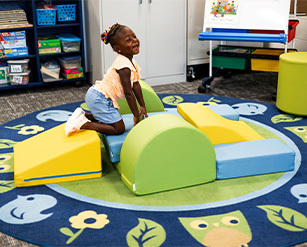
In the transitional kindergarten (TK) classroom, engagement in play-based projects connected to a theme-based curriculum is often at the heart of each day. When intentionally crafted, the classroom environment extends and reinforces the key goals and concepts students are learning, nurturing healthy brain development along the way.

Need a quick shot of compassion or a roadmap on how to get there? Interested in learning how to celebrate the leaders and the individuals, the models, the training and the types of efforts that move the needle toward working in a compassionate business? Scott Shute shares his journey from his personal practice and work in corporate America, to leading the Mindfulness and Compassion Program for LinkedIn employees, through building a consortium of leaders and change makers coming together to change work from the inside out. Give yourself a gift, carve out 30 minutes for this ONEder Podcast.
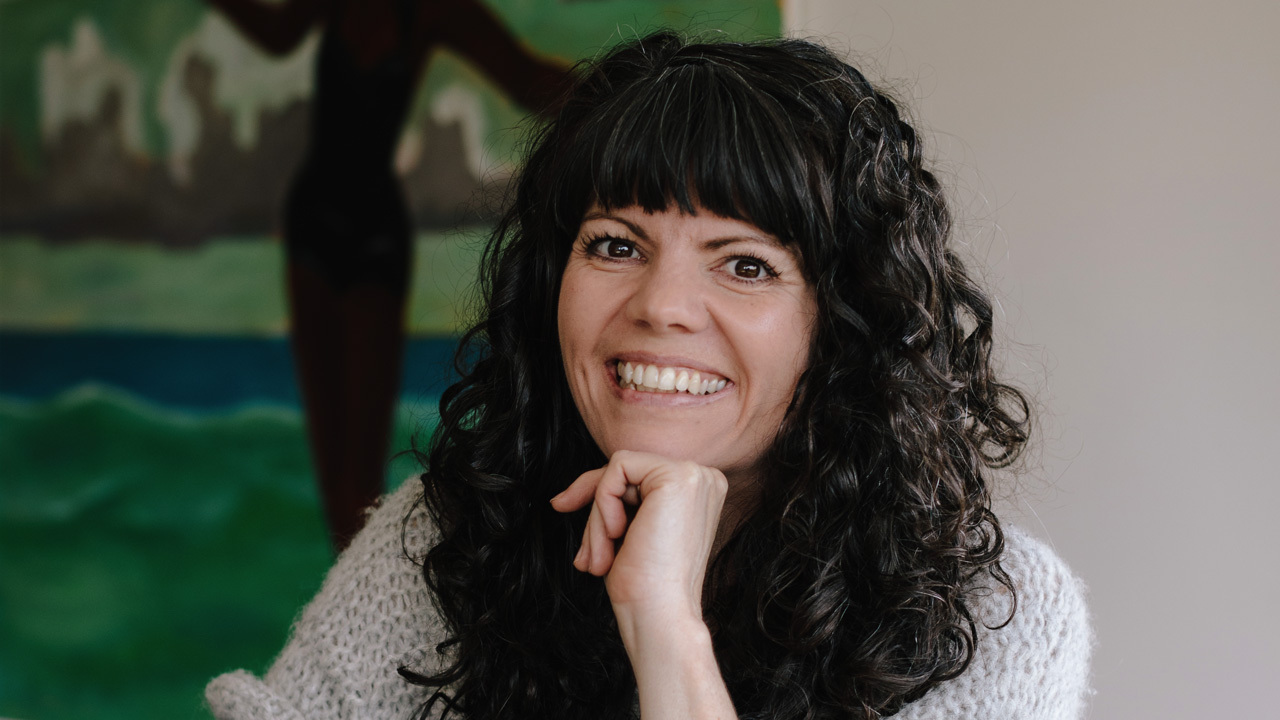
Meet Molly Moon’s Homemade Ice Cream, where tempting flavors and social responsibility thrive. Spend 30 minutes with founder and socially conscious business advocate Molly Moon, and learn how she created a hardworking, happy staff, strong local partnerships, and sustainable practices to deliver the best ice cream made with the finest ingredients. It’s salty and sweet, and you will enjoy every minute.
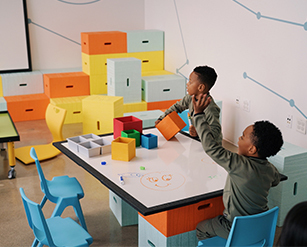
How classrooms are designed can have a big impact on Social Emotional Learning development. Thoughtfully planned spaces can encourage socializing, reduce stress, and make students feel that they belong and are safe. Leveraging ESSER funds before they run out offers a great chance to put these ideas into action.
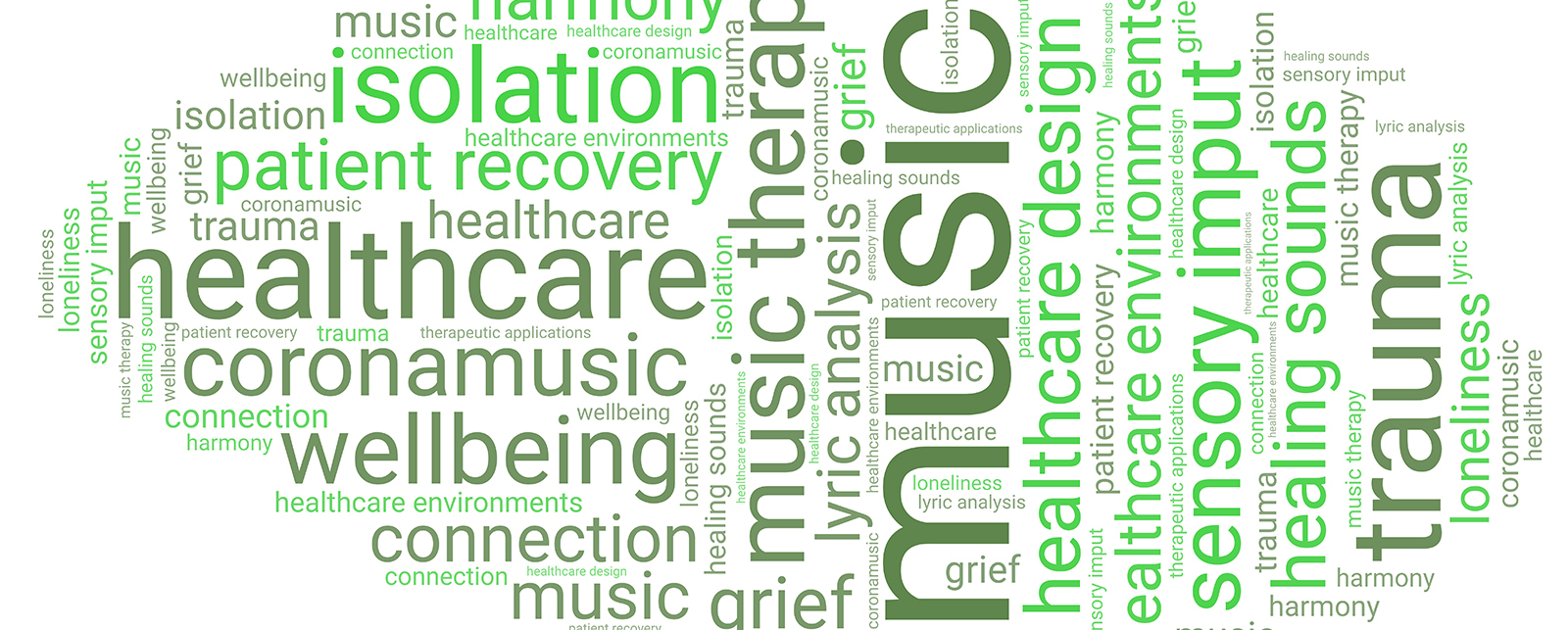
In the past, we looked at the positive impact of music on patients in memory care as seen in the film Alive Inside. In a very real way, music is medicine. Today we want to take a closer look at why music is such a powerful ally for the brain and how it can positively transform healthcare settings.
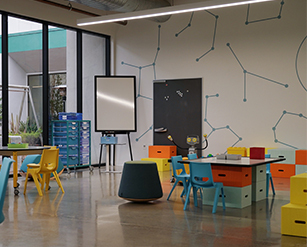
Imagine being immersed in a symphony of laughter and movement as children groove to the beats of musician and educator, Danny Sewell. Witnessing their boundless creativity amidst Muzo’s revolutionary school furniture and technology was nothing short of inspiring.
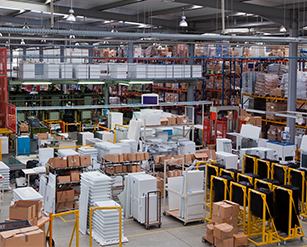
Regenerative blending embodies a holistic approach that emphasizes the deliberate integration of existing or second-generation furniture with new furniture. It’s sustainable, circular, and, most importantly, healthier for the environment over the long haul.

Cultural anthropologist Melissa Fisher Ph.D. shares with us the significance of anthropology in assessing the evolving landscape of hybrid work environments to empower workplace design. As our community witnesses unprecedented shifts in how, where and by whom work is conducted, understanding the social and cultural dimensions of these changes becomes paramount. Melissa shares her research and experience to describe how anthropology can serve as a crucial lens for deciphering the intricacies of modern workplaces, unveiling invaluable insights into diverse behaviors, norms, and interactions. This podcast should come with a CEU!
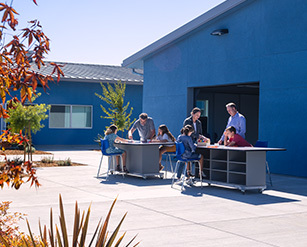
Creating classrooms that genuinely nurture wellbeing, social and emotional learning can be simple with intentional design elements. Here are some practical suggestions that leverage contributors to student wellbeing.

Ever wonder how new K-12 schools get funded, planned, built, and operated? There’s a lot more involved than just teachers, students and the PTA, and Jennifer Gibb from Van Pelt Construction Services explains many of the challenges and opportunities facing our communities when building for our future. Tune in to this conversation for a deeper dive into the state of K-12 school infrastructure and learn how you can support our next generation of learners.
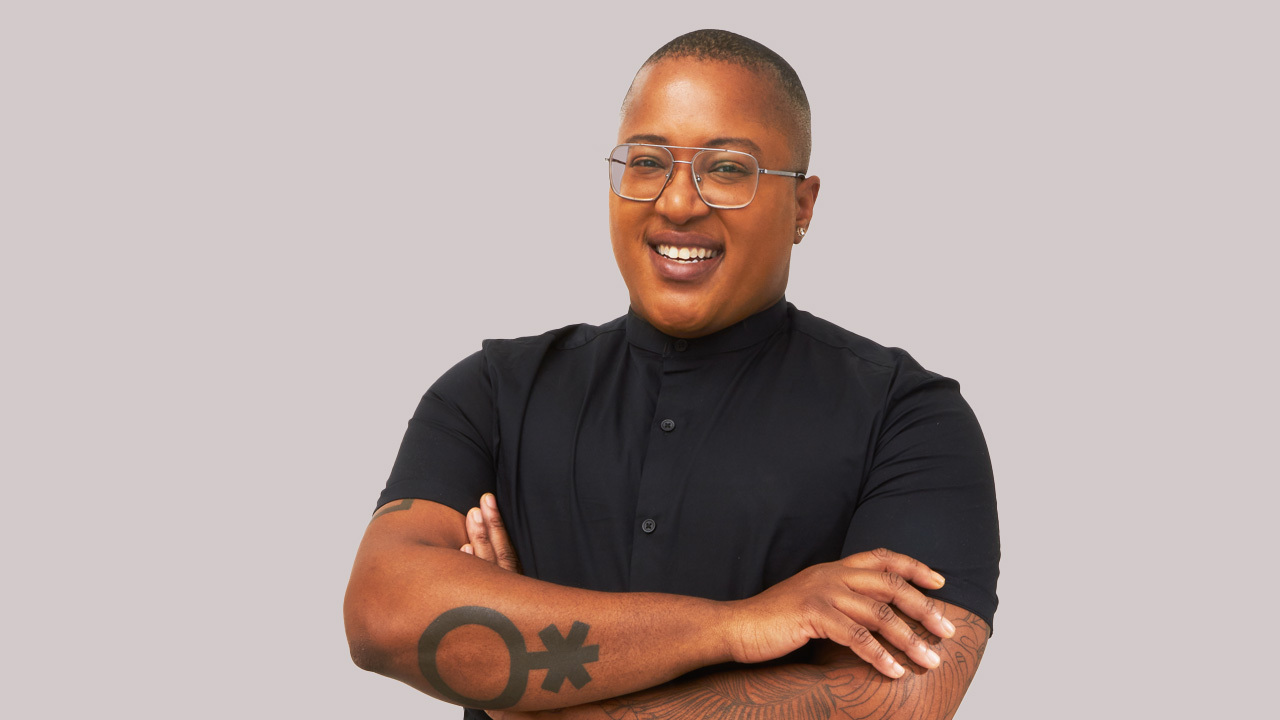
Can there be design without community? Can complex social and design challenges be solved independently? How might true curiosity, conversation, relationship connection, and social justice values advance the work of any organization? If questions like these resonate, you need to meet Sloan Leo. The possibility, honesty, joy, and creativity shared in our conversation with the committed and brilliant founder of Flox Studio will brighten your day and might help you recognize a connection.
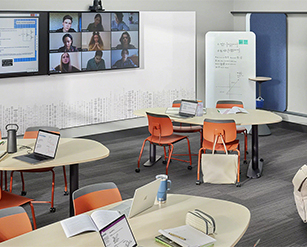
Let One Workplace help you design the classrooms of the future built for collaboration and success. Contact us to create your engaging learning environment...